How can Oculomics
Disrupt Health care Globally ?
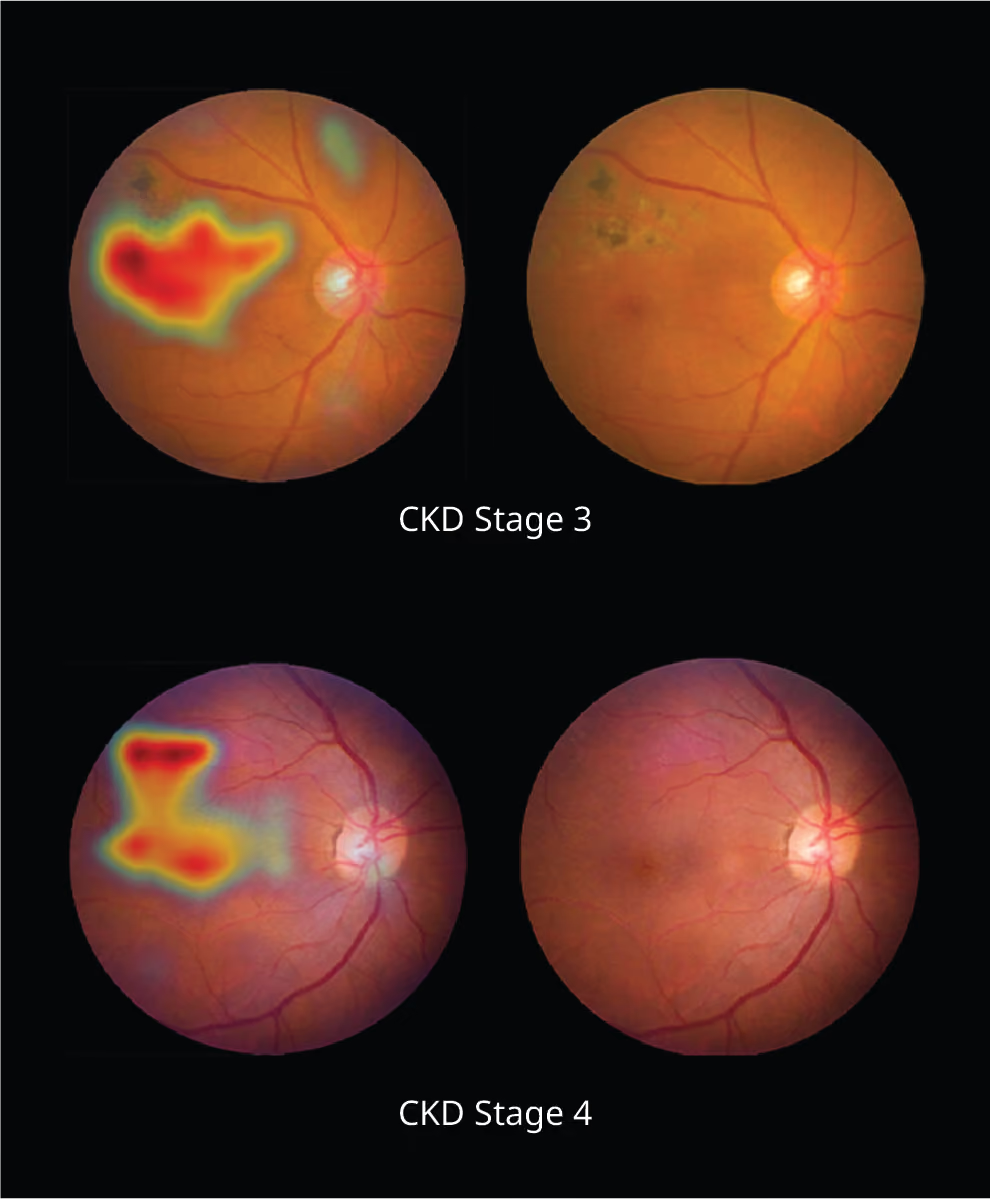
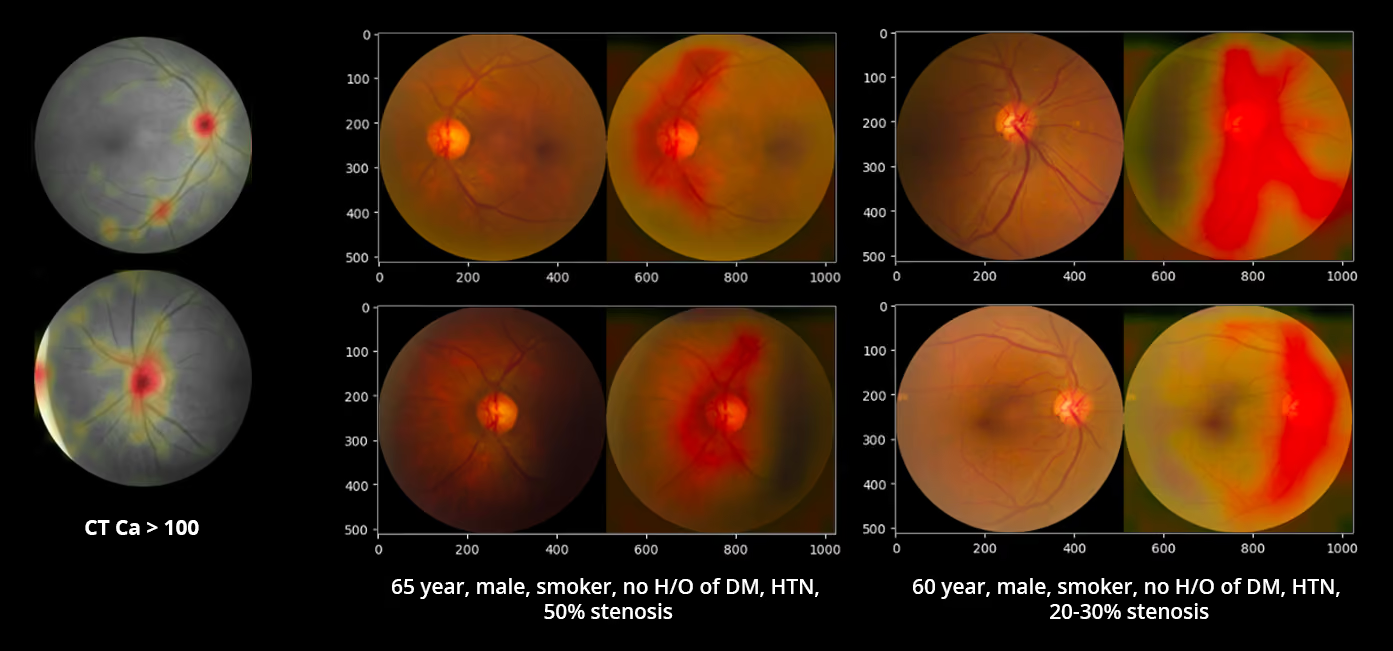
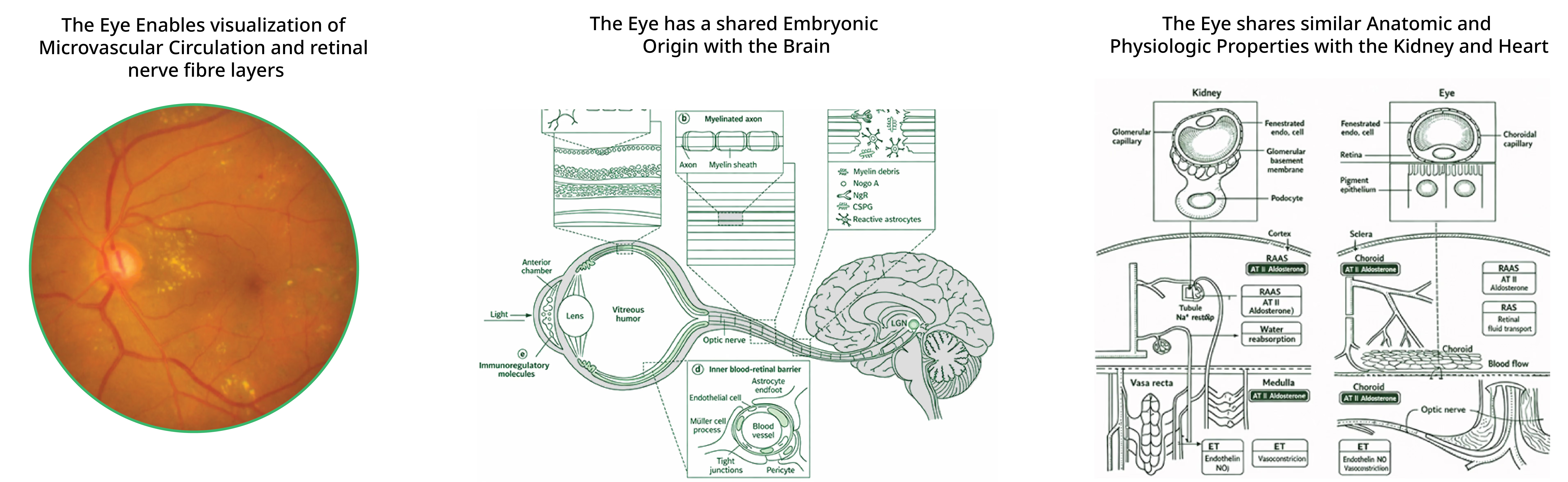
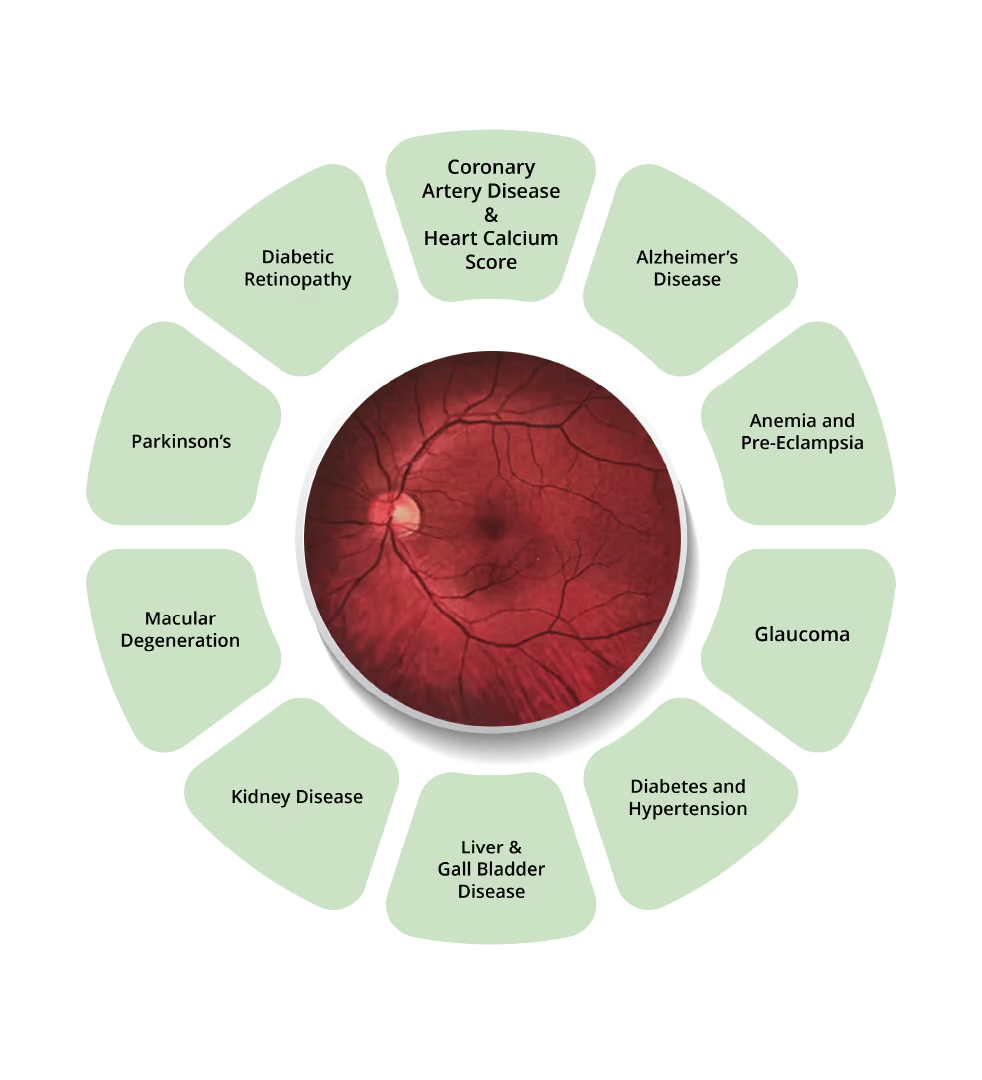
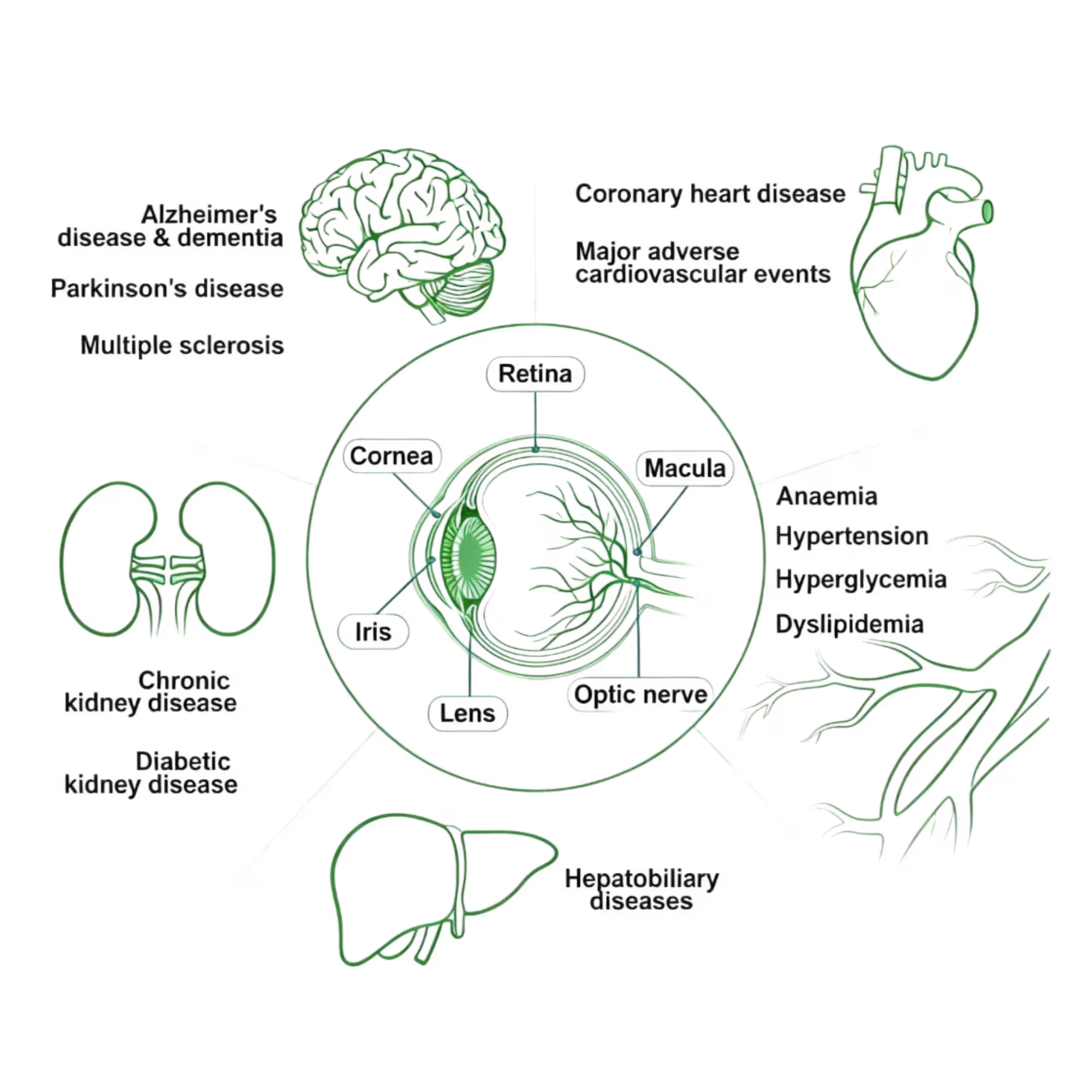
The retina reveals microvasculature, neural tissue, metabolic stress, inflammation, and even biological ageing. No other organ delivers this depth of information non-invasively, repeatedly, and cost-effectively, making the eye the world’s most deployable biosensor.
Oculomics shifts care from episodic treatment to continuous risk intelligence by enabling non-invasive, longitudinal risk prediction before symptoms appear, allowing population-level stratification and moving healthcare from “detect and treat” to “anticipate and prevent.”
Oculomics bridges specialty medicine and primary care by turning retinal imaging and AI into frontline tools for public health and chronic disease management. It becomes a referral intelligence engine for specialists and a shared clinical language across silos, making the eye the lowest-cost entry point into high-value medicine.
Oculomics enables continuous, population-scale learning and integrates seamlessly into insurance, government, employer, and digital health stacks, forming the infrastructure for life care, the science of protecting health across a lifetime.
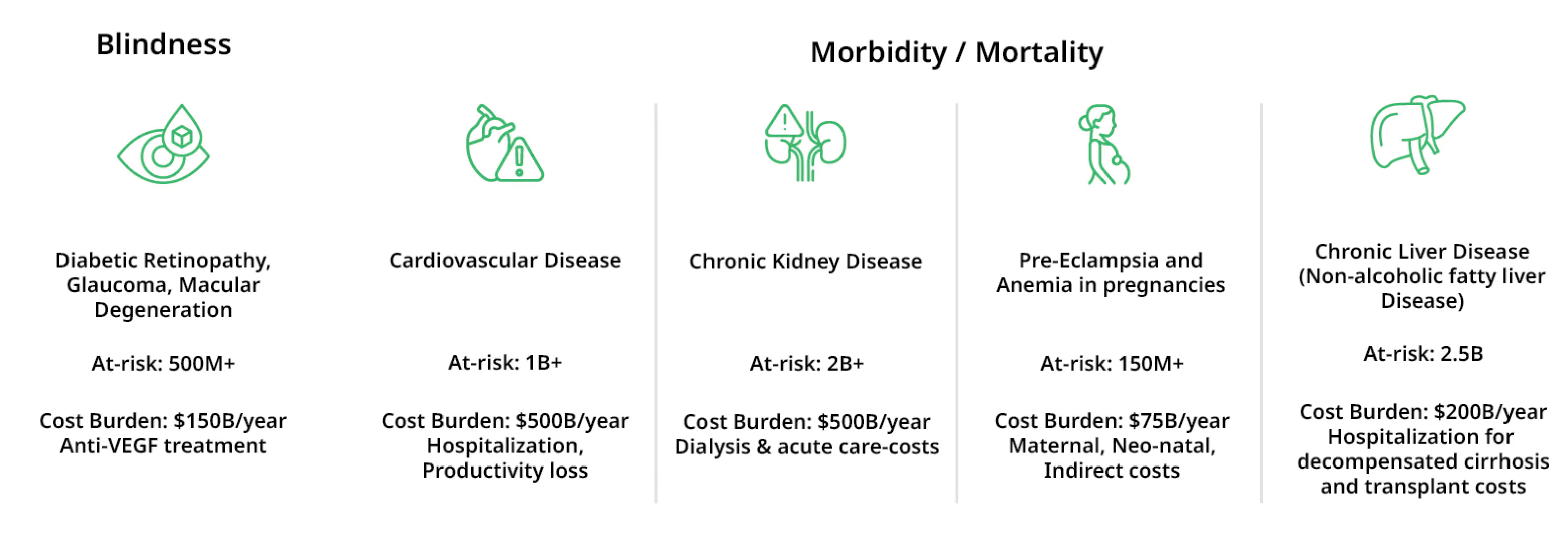
For the next billion in LMICs, Oculomics aligns innovation with equity. In developed health systems, AI-led risk triage lowers costs by reducing acute-care burden while focusing care on those most at risk. Together, this enables a new healthcare model, shifting value from procedures to outcomes, prevention, and risk-adjusted care.
The next billion will not enter healthcare through hospitals. They will come through schools, homes, pharmacies, mobile clinics, primary care camps, and workplaces. Oculomics is built for where people are, not where medicine has traditionally lived.




.avif)